Product

SEG graphics for the frames you already own

You do not have to buy hardware to buy the graphic. We print silicone edge graphics for any frame manufacturer — tell us the make, the finished size and the keder your extrusion takes, and we print and sew to that. Up to 16 ft wide with no seam, in whichever textile the job actually needs.

  • Fits any manufacturer's SEG frame — sewn to your keder spec
  • 16 ft (5 m) seamless width, to 140 ft long
  • Blackout core for true double-sided panels
  • Backlit stock with no hotspot or edge leak
  • Acoustic and grey-backed options
  • Silicone edge sewn, not glued, offset to your profile depth
  • Pantone-referenced colour, matched across substrates

Any manufacturer, not just ours

Most SEG systems accept a 14×3 mm silicone keder, which means a graphic printed and sewn to that spec fits frames from a wide range of suppliers — not only the ones we stock. What we need from you is the frame make and model if you know it, the finished face dimension, and the keder size the channel takes. If you are unsure, measure the groove or send a photograph of the extrusion end-on and we will identify it. Where a system uses something other than 14×3 — some deeper lightbox profiles and a few proprietary systems do — we sew to that instead. The graphic is made to fit your frame; the frame does not have to be made by us.
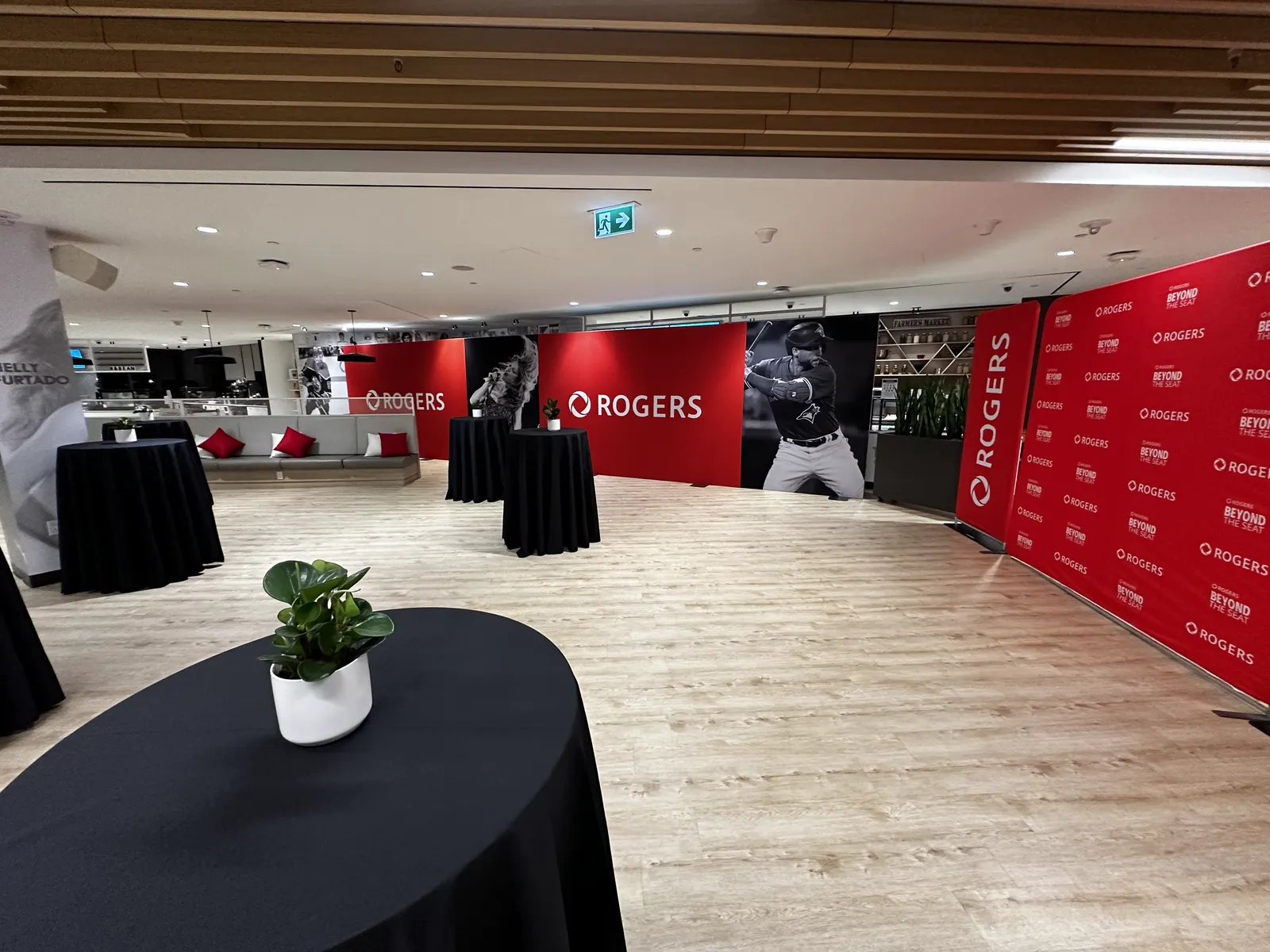
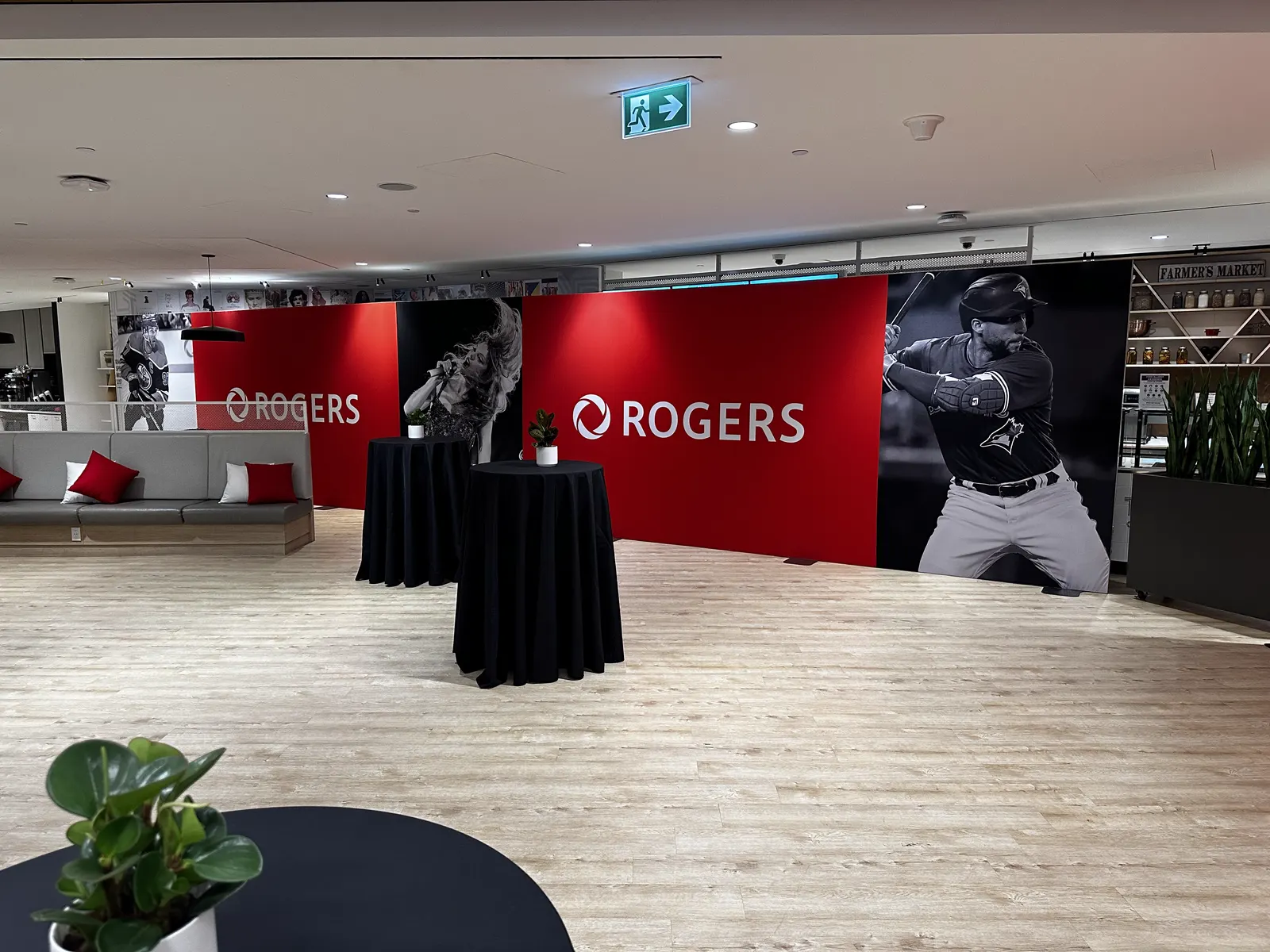
16 ft wide, no seam

Our dye sublimation line runs to 5 m — 16 ft — and to 140 ft in length, so most large-format graphics come off the press in one piece. That matters more on a tensioned fabric than almost anywhere else: a seam in a stretched panel sits under load, catches raking light, and is the first thing an eye finds on an otherwise flat surface. Backwalls, feature walls and long retail runs that would normally be panelled can be printed whole. Above 16 ft on the short dimension we panel and weld deliberately, placing the join along a line in the artwork rather than through a face or a logo.

Choosing the textile

The frame decides the size; the application decides the cloth. Standard stretch suits most wall-mounted and freestanding work and recovers flat after folding. Blackout is what makes a genuine double-sided panel possible — without an opaque core the reverse image ghosts through, and that is the most common reason a double-sided graphic gets remade. Backlit stock is warp-knitted so light passes evenly with no hotspot down the middle and no leak at the edge, which is the whole difficulty of lighting a stretched graphic from behind. Acoustic fabric absorbs sound as well as carrying an image, for rooms where the graphic is also doing an audio job. Grey-backed stock raises opacity where a bright wall keeps showing through the print. Tell us the condition and we will match the stock to it — the full range and its specifications are published under Procura.

Sewn, not glued

The silicone bead is sewn into the perimeter hem, offset precisely from the visible edge so the image runs to the frame line with nothing cropping it. That offset is the part worth getting right: too shallow and the keder pulls out of the groove under tension, too deep and the artwork loses its edge behind the extrusion. It is set from the profile depth of your frame, which is why we ask what the frame is rather than assuming. It fits by hand with no tools, and releases the same way for a changeover.

Examples

Related work

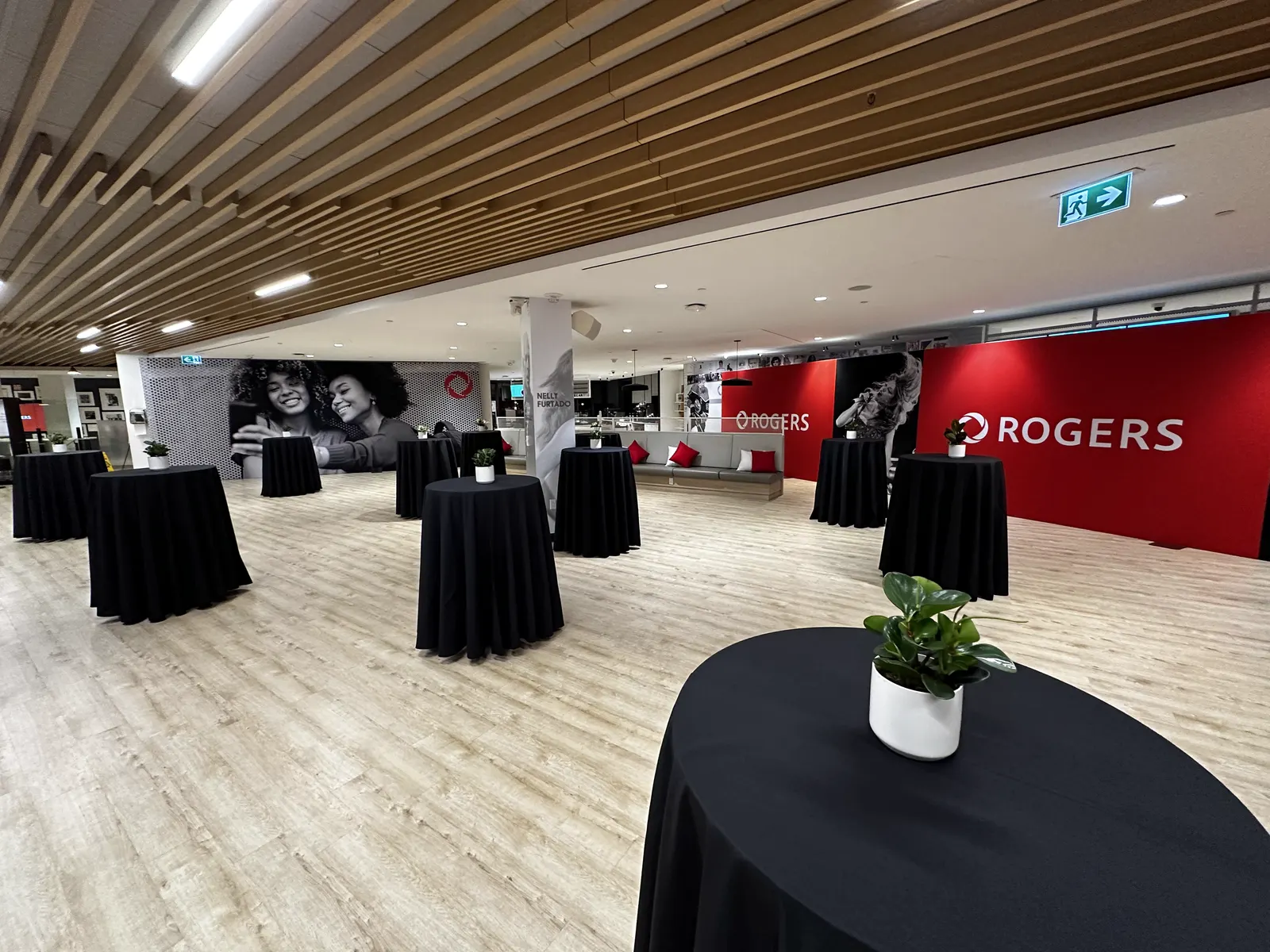
  • Procura 160 Rogers 3 — SEG project by IAC
    SEG Frames Rogers
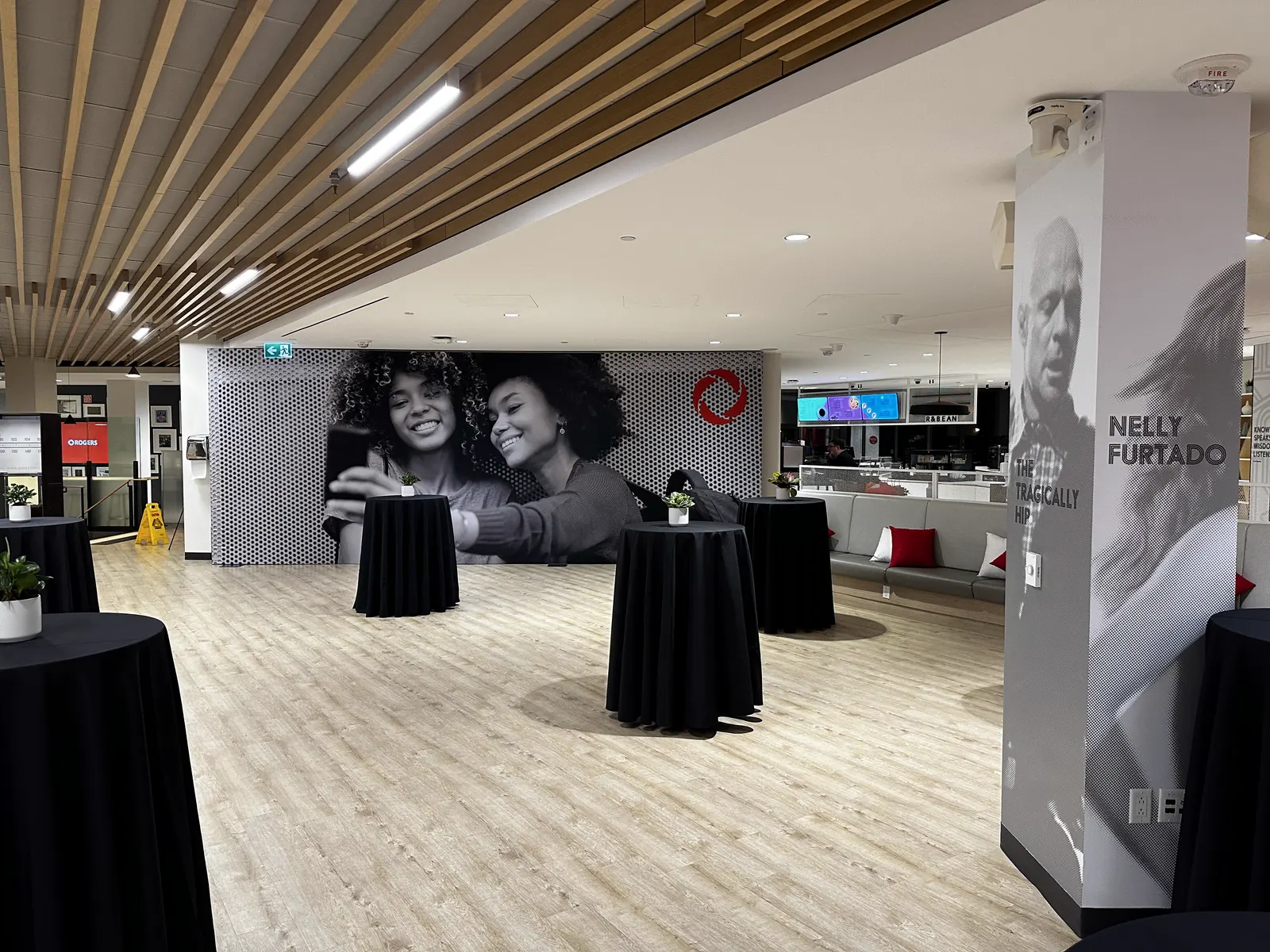
  • Procura 160 Rogers 4 — SEG project by IAC
    SEG Frames Rogers
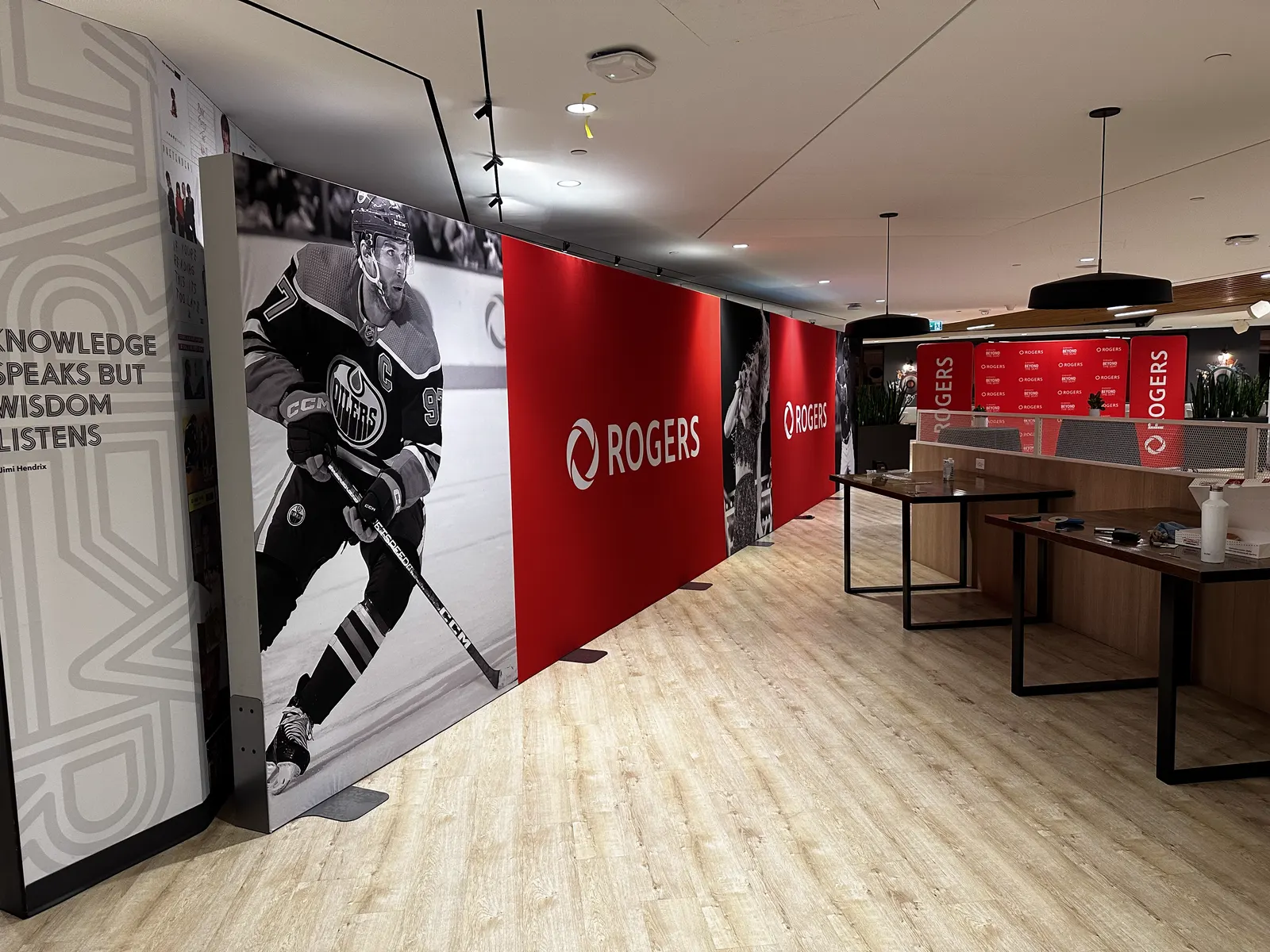
  • Procura 160 Rogers 2 — SEG project by IAC
    SEG Frames Rogers
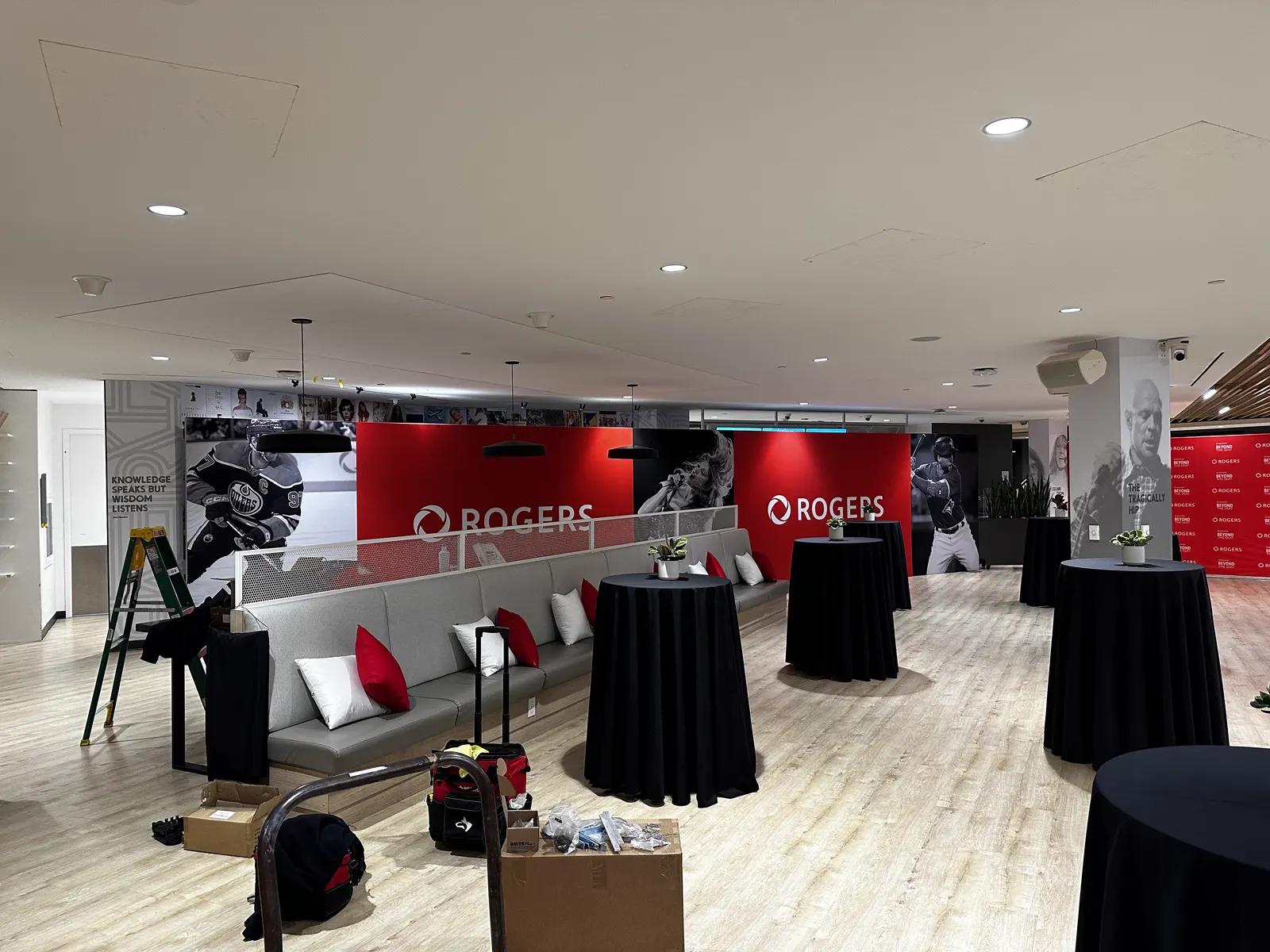
  • Procura 160 Rogers 1 — SEG project by IAC
    SEG Frames Rogers
  • Procura 160 Rogers 6 — SEG project by IAC
    SEG Frames Rogers
  • Procura 160 Rogers 7 — SEG project by IAC
    SEG Frames Rogers

FAQ

SEG graphics for the frames you already own — questions

Will your graphic fit my existing frames?

Almost certainly, and we would rather confirm than assume. Most SEG systems take a 14×3 mm silicone keder, and a graphic sewn to that spec fits frames from a wide range of manufacturers. Send us the frame make and model if you have it, the finished face size, and either the keder size or a photograph of the extrusion end-on. Where a system uses a different keder we sew to that instead. What we will not do is send you a graphic we have not confirmed fits.

What size can you print without a seam?

Up to 16 ft (5 m) on the short dimension, and to 140 ft in length, so most large graphics come off the press whole. That matters more on tensioned fabric than on most media, because a seam in a stretched panel sits under load and shows in raking light. Beyond 16 ft we panel and weld, and we place the join on a natural line in the artwork rather than through a face or a logo.

Which fabric do I need for a double-sided frame?

A blackout stock, with an opaque core between two printable faces. Without it the image on the reverse transmits through and ghosts the front — the most common reason a double-sided graphic has to be remade, and not something you can correct in artwork. If the panel will only ever be seen from one side, say so and we will quote standard stretch, which costs less and weighs less.

Can you match a graphic we had printed elsewhere?

Usually. Send the existing panel or a printed sample along with the artwork and we will target the colour against it rather than against the file alone, which is the more reliable of the two when a graphic has to sit beside something already installed. If the original was printed on a different textile we will tell you where it will and will not match, because base white and surface texture change how a colour reads and no amount of profiling removes that entirely.

How should artwork be supplied?

Finished frame size plus the bleed the keder needs, which differs by configuration — an L, a U and an O are each sized differently, because every frame laps into the corner post by the profile depth at each corner it meets. Send us the frame and the configuration and we will confirm the exact artwork size for your job. There is more on this, including downloadable templates for our catalogue display range, on the resources page.

Next step

Send the frame make, the finished size and your keder spec — we will confirm the fit and quote the graphic.

Send drawings, a store list or a rough idea. We will come back with substrate options, hardware and a quote.